Roughly a century ago—within the lifetime of people we knew—the British Empire controlled about a quarter of the Earth’s land and population.
A quarter. As in: if you spun a globe and pointed randomly, there was a very decent chance you’d land on “British.” “The sun never set on the British Empire.” … is not a phrase from bragging, it’s literally geography.
On our walking tour of Bath, they kept referencing Queen Victoria, the monarch most associated with that peak. Her reign was so defining they named an entire era after her—which feels like the historical equivalent of naming a stadium after yourself while still playing in the game.
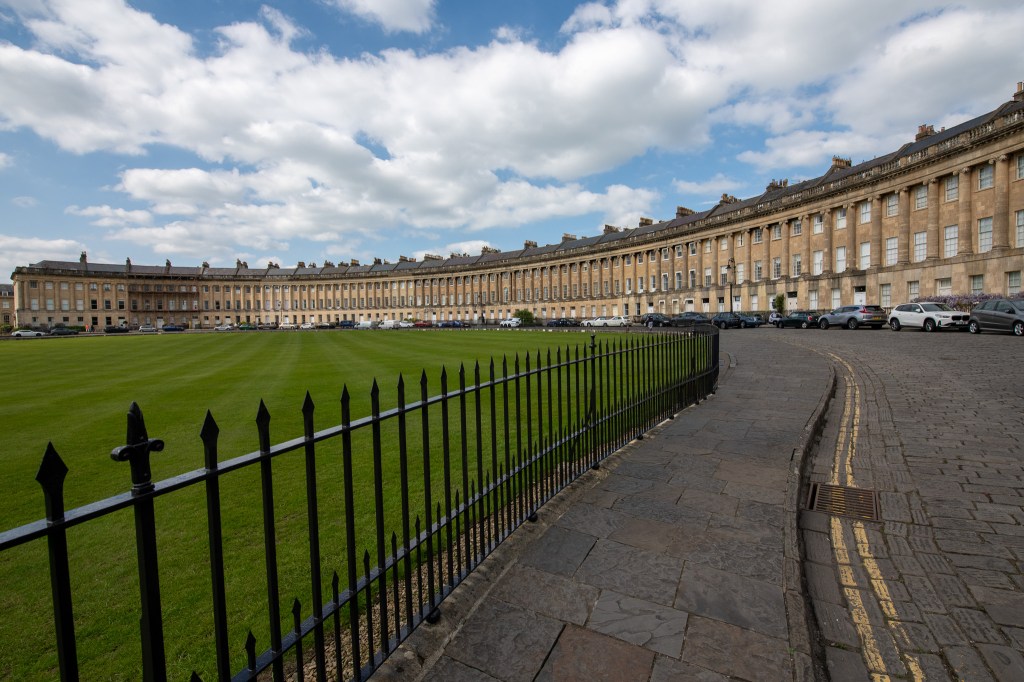
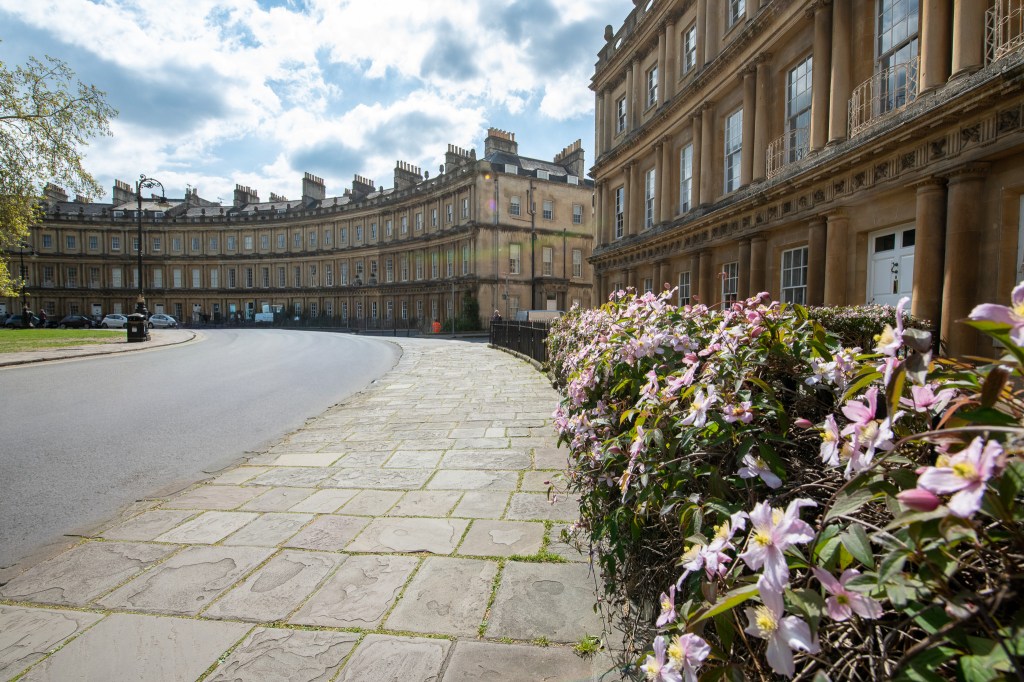
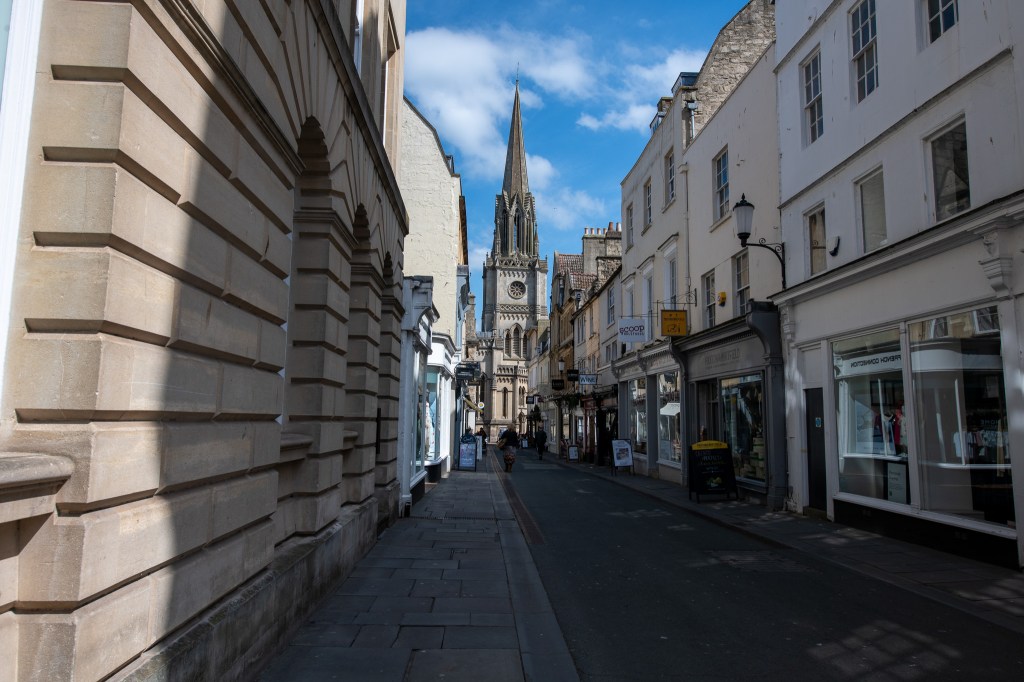
There’s even a very human story about her here: she reportedly visited Bath just once, overheard someone criticize her legs, and decided never to return. Imagine ruling a quarter of the planet… and still not being immune to one bad comment overheard in public.
By the late 1800s, Britain wasn’t just powerful—it was the global superpower. Trade, navy, industry, culture… all roads led back to London.
And then—within a single lifetime—it unraveled.
World War II left Britain victorious but exhausted—financially strained, heavily bombed, and forced (whether it liked it or not) to rethink its role in the world.
At the same time, the United States emerged as the new global heavyweight—economically dominant and not especially enthusiastic about old-school empires. Britain suddenly found itself in the unfamiliar position of needing support from its former colony. (History does love a good plot twist.)
Meanwhile, independence movements had been building for decades. In India, leaders like Mahatma Gandhi had already mobilized millions. So when India gained independence in 1947, it wasn’t a fluke—it was the result of sustained pressure and a changing world order.
After that, the pace quickened. Countries across Asia, Africa, and the Caribbean followed.
What’s wild to me is this:
This isn’t ancient history. This isn’t Ancient Rome or Ancient Greece.
This began to unravel during the lifetime of people we know.
Grandma and Grandpa missed Queen Victoria by just a few years—but they were born into the world her empire built, and lived through the period in which that world quietly came undone.
What really struck me—what made all of this feel close—was what came next.
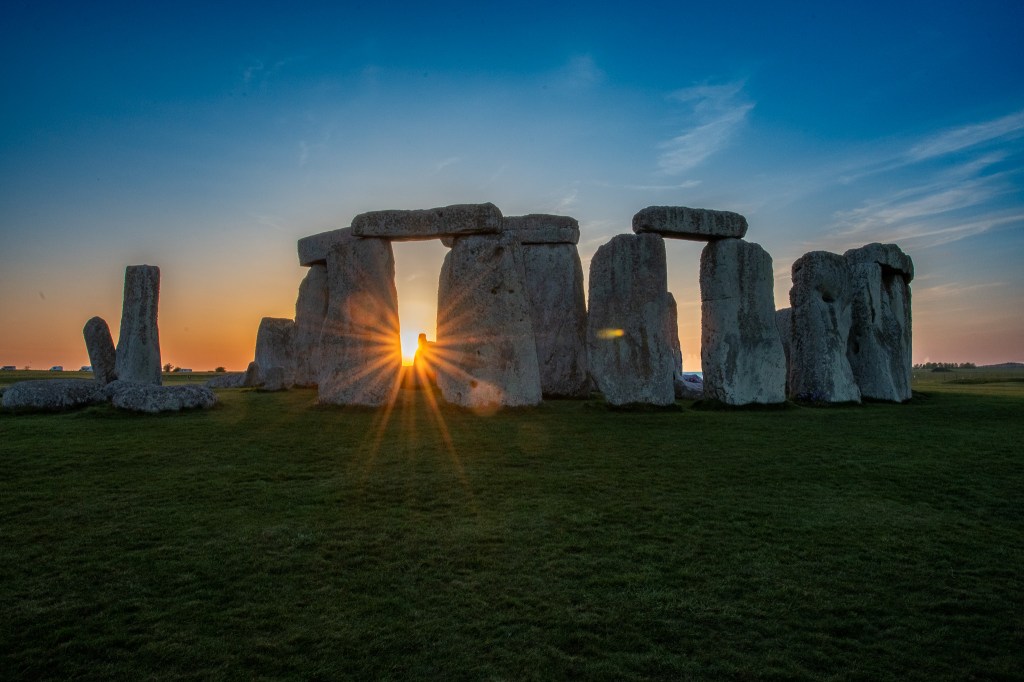
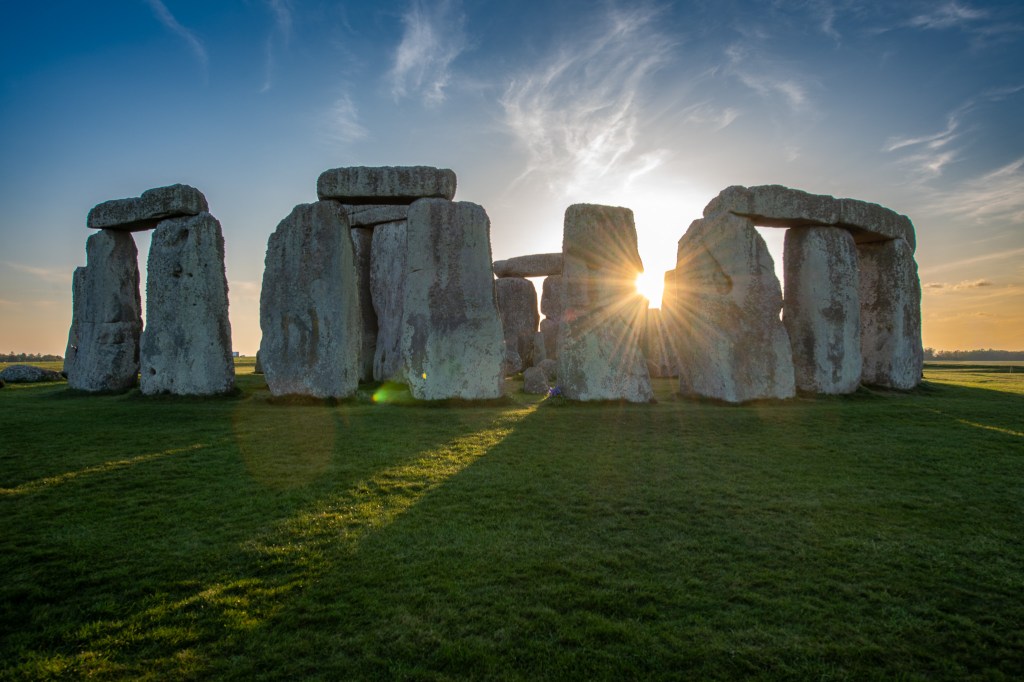
We left Bath that afternoon after the walking tour and drove about 45 minutes to Stonehenge for sunset.
We left a place telling stories just one or two lifetimes removed from people we knew… and arrived at a place built nearly 5,000 years ago.
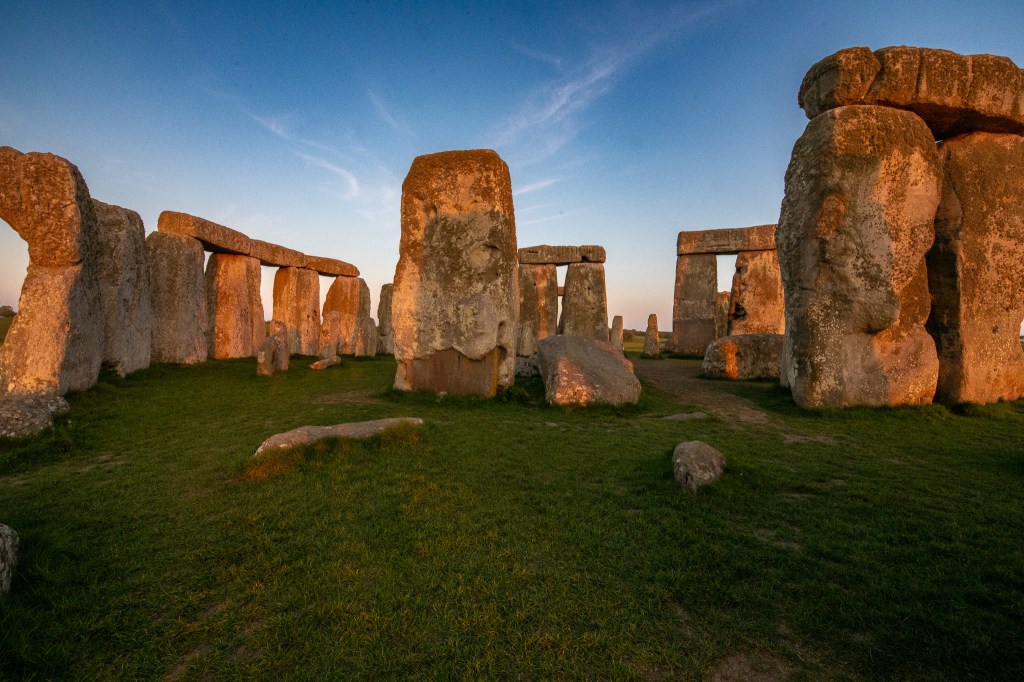
That gap—those thousands of years—compressed into a single afternoon, in one small corner of the world.
History doesn’t always feel distant.
Sometimes, it’s just down the road.


Leave a comment